


Do Not Underestimate Cavities in Baby Teeth: How Do They Ruin Future Jaw Structure?
30 July 2026 Health Guide Mustafa PAYAS"They will be replaced by new ones anyway, that tooth will fall out... Let it stay for now, we'll pull it if it hurts."
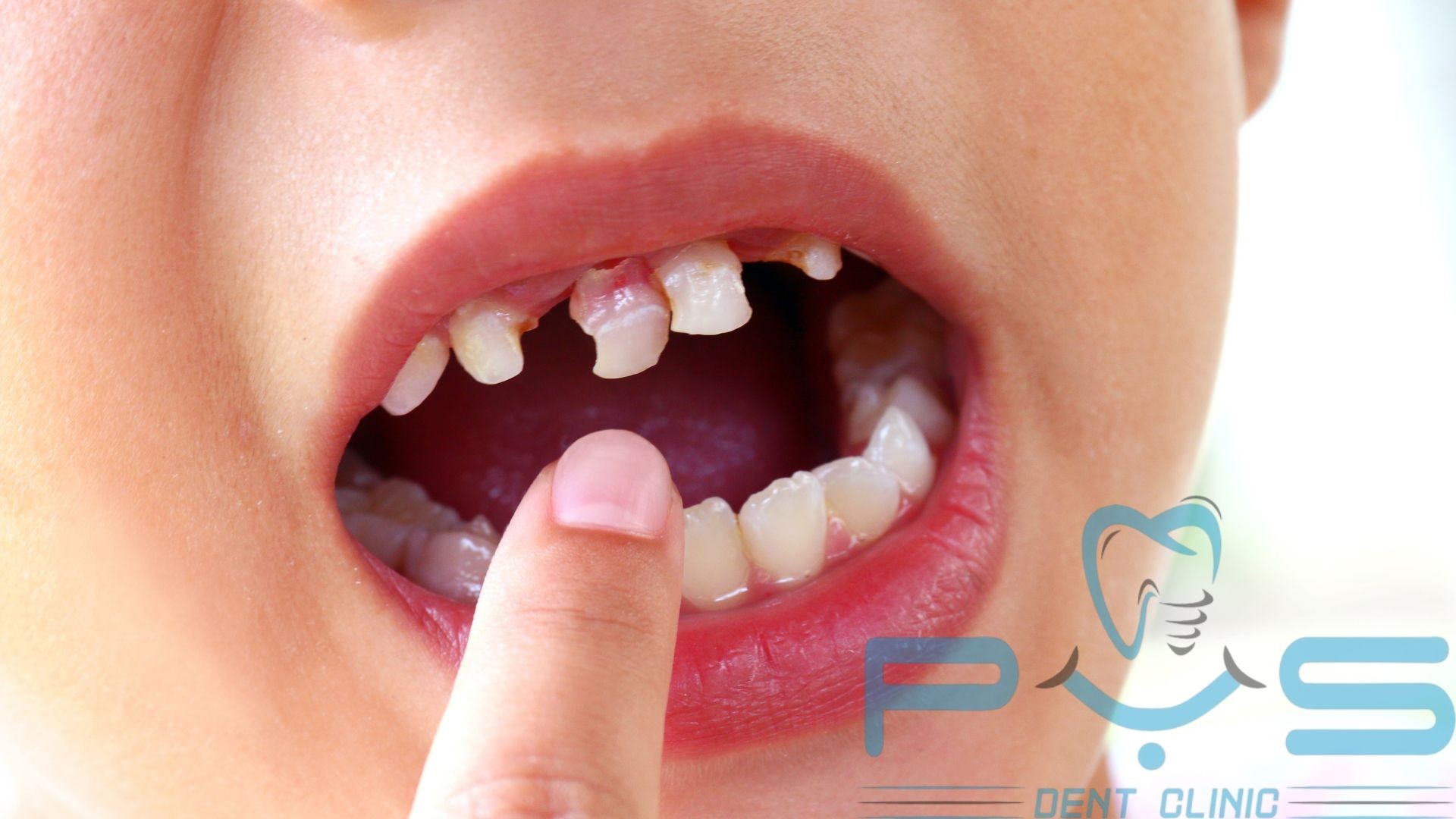
This seemingly innocent sentence, uttered by many parents while looking at their children's reflection in the mirror or the black spots in their tiny mouths, is actually the first seed of a massive orthodontic nightmare, sleepless nights, and serious financial expenses in the future. Waking up to your child crying in the middle of the night with a throbbing toothache is only the tip of the iceberg. The real danger is silently growing deep within the jawbone. Have you ever thought about how that tiny, seemingly insignificant cavity can permanently ruin your child's facial features, jaw structure, chewing functions, speech, and even self-confidence in social life?
Baby teeth do not just serve to help children eat, learn to speak, or have a cute smile. They are the keystones of a miraculous biological system. Baby teeth are the loyal guides for the permanent teeth that will be used for a lifetime, the chief architects of jawbone development. If you lose these guides early due to tooth decay, the whole system collapses like a house of cards.
So, how do baby teeth cavities really shatter facial and jaw structure? How does an innocent baby tooth extraction done early "just to get rid of it" initiate an inevitable, challenging, and long-term pediatric braces treatment process in the future?
Under the guidance of Dt. Nida Nur Soyuer, one of the experts at Kayseri PYS Dent, one of Kayseri's leading dental clinics, we are laying out the known misconceptions, the dangers created by hearsay, and the shocking consequences of baby teeth cavities down to the smallest detail.
1. The Secret and Vital Role of Baby Teeth: They Are Not Just "Temporary" Ornaments!
One of the biggest ingrained misconceptions in our society is the belief that baby teeth are insignificant structures that only need to be managed until the age of 6-7 (or even 11-12 for some molars) and will eventually fall out. However, human anatomy and jaw structure are built on perfect mathematics. The 20 baby teeth in your child's mouth actually act as "space maintainers" (VIP reservations) prepared by nature for the permanent teeth.
The permanent tooth underneath safely waits, grows, and matures right between the roots of that baby tooth until it is time to erupt. The baby tooth not only stimulates the three-dimensional (width, height, and depth) development of the child's rapidly growing jawbone but also marks the exact point where the permanent tooth should erupt, just like a navigation device. If a baby tooth decays and this cavity is not treated, you do not just lose that tooth; you also permanently break the compass of the permanent tooth underneath.
How Do Cavities Biologically Stop Jawbone Development?
A decaying tooth is essentially a breeding ground for bacteria and an active source of infection. Over time, this infection progresses from the outer enamel of the tooth to its nerves (pulp), and from there to the root tip, reaching directly into the jawbone. The child's rapidly growing and shaping jawbone cannot develop healthily in that area due to this chronic infection. Calcification (bone formation) is disrupted.
Moreover, your child will avoid eating with the decayed tooth because they feel pain. The child constantly performing the chewing function on the other, pain-free side leads to the habit of unilateral chewing. Unilateral work of muscles and bone in a growing child leads to facial asymmetry (disproportionate growth of the right and left sides of the face) and temporomandibular joint (TMJ) disorders, jaw locking, and chronic headaches that are very difficult to treat in the future.
2. Early Baby Tooth Extraction: The Beginning of an Orthodontic Nightmare and Domino Effect
When the decay is too advanced, the loss of tooth material is massive, and saving the tooth (with a filling or root canal treatment) becomes impossible, parents usually request the dentist to extract the tooth as the easiest, fastest, and "cheapest" way. However, an untimely baby tooth extraction creates a "domino effect" in dentistry and turns all the balance inside the mouth upside down.
When a baby tooth is extracted prematurely, for example, when there are still 2-3 years before the underlying tooth arrives, a physical gap is formed in the mouth. The other teeth in the mouth (especially the large molars in the back) naturally do not like to stand idle and immediately begin to slide and tip forward into that gap. The adjacent teeth also lean into this gap. The tooth in the opposite jaw (e.g., the upper tooth if the lower tooth was extracted) sags downwards.
The result? The door where the permanent tooth from below will emerge is completely closed!
Impacted Teeth, Narrow Jaw, and Crowding
The permanent tooth, whose eruption path is closed by the other teeth shifting forward, is forced to seek a different path. It either erupts towards the palate, erupts crookedly towards the lip, or worst of all, remains trapped inside the jawbone and becomes "impacted." This situation causes severe jaw narrowing and advanced dental crowding. In other words, because of that tiny baby tooth you said, "Let's extract it and be done with it, so they can sleep well tonight" at the age of 5-6; your child may have to undergo surgical interventions like impacted tooth operations and much heavier orthodontic wire treatments when they reach the ages of 12-13.
3. Dt. Nida Nur Soyuer Strictly Warns: "Delayed Intervention Changes the Child's Facial Features"
Dt. Nida Nur Soyuer, one of the specialist physicians at PYS Dent, one of the most equipped, innovative, and patient-satisfaction-oriented clinics in Kayseri, underlines with bold lines that baby teeth cavities should never be underestimated. Dt. Soyuer summarizes the unfortunately delayed picture that families in Kayseri and surrounding provinces most frequently encounter in the clinic with these striking words:
"Many parents who apply to our clinic complain about severe crookedness in the front teeth of their 10-12-year-old children, a buck-tooth appearance, or their lower/upper jaws being too far forward/backward. They come to us with aesthetic concerns. However, when we look at the past dental history of these children, we see untreated deep baby teeth cavities between the ages of 4 and 8 in almost all of them. Or we encounter numerous baby tooth extractions performed at an early age, whose spaces were not preserved, and were not supported with space maintainers."
"When a baby tooth is infected and left to decay, this situation does not only cause bad breath or momentary pain. By spreading into the bone, the infection permanently disrupts even the enamel structure of the underlying permanent tooth, which is still in the formation phase. Even before it erupts into the mouth, the permanent tooth is born yellow, stained, weak, and prone to decay. Our main goal in pedodontics (pediatric dentistry) is not to extract and throw away the problematic tooth, but to treat that tooth with developing modern materials and keep it in the mouth until the last moment to provide jaw guidance."
Dt. Nida Nur Soyuer states that if a mandatory extraction has been made, "Space Maintainer" appliances specially designed for early lost teeth are of vital importance. Space maintainers, as the name suggests, "reserve" the place of the extracted tooth and prevent the teeth behind it from shifting forward. Thanks to these small and comfortable appliances, which can be fixed or removable, the deterioration of the jaw structure and heavy wire treatments in the future are prevented at very affordable costs.
4. The Inevitable End: Pediatric Braces Treatment (Orthodontics) and Challenging Processes
If cavities in infancy and early childhood have been neglected, teeth have been extracted early, and preventive, protective treatments such as space maintainers have not been applied, it means that the jaw structure has already begun to deteriorate developmentally from that point on. Increasingly narrowing jaws, overlapping (crowded) teeth because they cannot find space, protruding incisors, and an impaired bite (incompatible closure of the upper and lower jaws) now require professional and long-term orthodontic intervention.
At this point, pediatric braces treatment, which can challenge families both financially and morally, comes into play.
The Critical Importance of Early Phase (Phase 1) Orthodontic Treatment
Another misconception in society is that pediatric braces treatment should only be done at the ages of 12-14, meaning after all the baby teeth in the child's mouth have fallen out. On the contrary, the ages between 7 and 10, when the growth and development of the jawbone actively continue and the bones are still moldable (elastic), are considered the "golden age" for intervention. In preventive orthodontics performed in this early period:
-
The narrowing and V-shaped upper jaw can be easily opened and expanded with "palatal expander" appliances.
-
Jaws positioned forward or backward due to genetics or early tooth loss can be directed to the correct position with special orthodontic face masks and devices.
-
Enough space can be created in the jaw for crowded permanent teeth to erupt properly.
Thanks to the modern pediatric orthodontic approaches meticulously applied at Kayseri PYS Dent, children's jaw development is channeled in the right direction. Much heavier, painful, and costly treatments (such as orthognathic jaw surgeries or the extraction of healthy permanent teeth just to make space) that may be needed in the future (after the age of 18) and are irreversible are absolutely prevented. Early diagnosis saves lives in orthodontics!
5. Speech Disorders and the Blow to Child Psychology
Aside from the biological, aesthetic, and anatomical dimensions, there is also the "psychological and social" side of the coin, which is unseen but affects the child's life most profoundly. Children, especially in kindergarten and primary school age, can be much more cruel and honest about each other's physical appearances than adults.
Children can experience severe traumas because of black, brown-stained, completely decayed baby teeth in the front areas or front teeth extracted early due to cavities. These tooth deficiencies and jaw disorders change the position of the tongue, leading to the inability to properly pronounce letters, especially "S, Z, F, V, T, D" (lisping). Children who spit while talking, cannot pronounce words correctly, or have very bad-looking teeth are subjected to peer bullying at school.
It is pedagogically and scientifically proven that children who hesitate to smile because of their bad-looking teeth, and who reflexively cover their mouths with their hands while taking photos or laughing, develop severe lack of self-confidence, introversion, avoidance of socialization, and anxiety. Aesthetic concerns and difficulties biting/tearing with the front teeth radically undermine both the child's social life and healthy eating habits.
Painless cavity treatments applied at the right time or pediatric braces treatment started on time when necessary, do not only fix the child's teeth; they also rebuild their future self-confidence, social skills, and posture.
6. The Kayseri PYS Dent Difference: Why Aren't Children Afraid of the Dentist's Chair?
Taking children to the dentist is often a crisis-filled, stressful, and sweaty process not only for the child but also for the parents. The fear of "Will it hurt?", "Mom, are they going to give me a shot?", "Are they going to pull my tooth?" causes children to hide their cavities and pain from their families, refuse to enter the clinic door, and go into crying fits in the dentist's chair.
However, as Kayseri PYS Dent, we are completely destroying this traditional fear-filled perception! Pedodontics (pediatric dentistry) is not just about treating teeth; it is the art of touching the child's soul and gaining their trust. So how do we get children accustomed to the chair? Of course, thanks to our clinic's cutest, sweetest member and the number one hero of children, Fidiş!
A Fun and Fearless Dental Treatment Adventure with Fidiş!
Frightening, serious white coats, cold metal tools, loud devices, and stressful waits are replaced by a warm welcome and entertainment at Kayseri PYS Dent. The specially designed child-friendly face of our clinic, our cute mascot Fidiş, turns the children's dental treatment process from a nightmare into a fun game and adventure.
-
First Meeting with Fidiş: As soon as your child steps through the door of our clinic, they are welcomed by a colorful, joyful atmosphere that understands the language of children, rather than the coldness of a hospital. Fidiş figures take away the children's tension at the door.
-
Treatment through Play and the Tell-Show-Do Technique: Dt. Nida Nur Soyuer and our expert team, who have extremely strong communication with children, introduce all the tools to be used in a language that children can understand and will not fear. For example, the air/water spray is named "Fidiş's water gun," the saliva ejector "Vacuum cleaner or Fidiş's straw," the filling tool "Tooth washing and tickling brush." The child first holds the tool in their hand, sees how the water splashes (Show), and then it is applied in their mouth (Do). When the unknown disappears, so does the fear.
-
Rewarding and Success: Our children who finish their treatment and sit bravely in the chair are declared the hero of the day. With Fidiş's courage diplomas, stickers, small toys, and surprises, they leave the clinic not in tears, but with a huge smile. And they come running to the next appointment!
Our main goal is not to create a permanent "dentist phobia" that will last a lifetime in children; but to lay the foundations for them to become conscious adults who care about oral and dental health in the future by ensuring they leave the clinic happy.
7. Vital Precautions You Can Take at Home: Stop Cavities Before They Come to the Clinic!
Although we, as Kayseri PYS Dent experts, create miracles in the clinical environment by using all kinds of technological possibilities, the foundation of oral health is laid at home, not in the clinic. The real work comes down to the conscious attitude of the parents. Protecting your child's jaw structure, keeping them away from pain, and preventing them from sitting in that chair for cavity treatment or baby tooth extraction is actually entirely in your hands.
-
The Biggest Enemy: Baby Bottle Tooth Decay: Giving babies milk or formula with a bottle while putting them to sleep at night (especially if honey, molasses, biscuits, or sugar are added) causes the upper front teeth to completely decay and melt within months. Because saliva flow slows down during sleep, the milk stays on the teeth for hours and an acid attack begins. After night feeding, the baby's teeth (or gums) must be gently wiped with a wet, clean gauze or cheesecloth. Night feeding should be gradually cut off after the age of 1.
-
Twice a Day, Two Minutes Rule: The tooth brushing habit begins with finger brushes in the 6-8 month period when the first tooth appears in the mouth. Until your child's hand muscles and motor skills are fully developed (until about 7-8 years of age), your child cannot do adequate brushing on their own. Do not let go of control by saying "They brush it themselves"; definitely go over the brushing one more time yourself and make sure you clean the back areas.
-
Preventive Fluoride and Fissure Sealant Applications: There are deep recesses (fissures) on the chewing surfaces of molar teeth. Cavities usually start with food getting stuck in these recesses. The "Fissure Sealant" (popularly known as tooth nail polish) procedure we apply at PYS Dent prevents decay before it starts by covering these pits with a thin white layer. In addition, professional strawberry-flavored fluoride varnish applications applied every 6 months strengthen the tooth enamel like armor, reducing cavity formation by 80-90%.
-
Regular Checks, Early Diagnosis (The 6-Month Rule): Even if your child has no pain, complaints, or a visible black spot, bring them to PYS Dent regularly every 6 months. "Interproximal cavities" starting right between two teeth, which cannot be seen by the eye, cannot be detected by looking inside the mouth, but only with low-dose digital x-rays taken in a professional clinical setting. While an early caught cavity is solved with a simple filling that is needle-free, painless, and takes only 5 minutes; a delayed situation can turn into a trauma that takes months.
-
Carbohydrate and Sugar Consumption: Restrict the child's consumption of junk food, sticky candies (jelly beans, caramel), acidic drinks, and packaged foods. If they are going to eat sugar, make sure they consume it immediately after main meals (not in snacks) and encourage brushing their teeth immediately afterwards, or if they cannot brush, rinsing their mouth with plenty of water.
8. Frequently Asked Questions (What Parents Wonder Most)
In order to clear the minds of parents and dispel the misinformation circulating on the internet, as PYS Dent, we clearly answer the questions we hear most frequently:
Question 1: Does a baby tooth cavity really cause as much pain as a permanent tooth? Absolutely, and sometimes it causes much more severe pain! The nerve (pulp) chambers in the internal structure of baby teeth are spread much wider into the tooth compared to permanent teeth and are much closer to the surface. Therefore, a cavity starting in baby teeth reaches the nerve very quickly. It can turn into unbearable night pains, aching while eating, facial swelling, and serious fever-inducing abscesses in a short time.
Question 2: My child's baby tooth decayed, if I get a filling, will it fall out earlier or block the tooth underneath? On the contrary! High-quality baby tooth fillings or partial root canal treatments (amputation procedure) performed with the right technique ensure that the decayed and infected tooth remains healthy in the mouth until its natural shedding age (e.g., 10-11 years old) and guides the jawbone. A filling procedure never harms the permanent tooth coming from below; on the contrary, it protects the permanent tooth because it cleans the infection. The only important thing is to intervene before the cavity progresses too far and envelops the bone.
Question 3: The infection has spread too much, and a mandatory baby tooth extraction had to be done. What should we do now? If the tooth cannot be saved in any way and baby tooth extraction under physician control becomes inevitable, do not panic but do not neglect it either. A "Space Maintainer" must definitely be made so that the extraction gap is not closed by the surrounding teeth. These appliances, prepared by taking a short impression in the clinic, can be fixed (adhering to the tooth) or removable. It stays in the mouth until the permanent tooth underneath erupts and protects the entire jaw balance.
Question 4: Is the pediatric braces treatment (Orthodontics) process painful and exhausting for children? With today's technology, no. Modern orthodontic treatments are highly comfortable thanks to smart wires and clear aligners (like Invisalign First). The child's tooth is not injected, the tooth is not drilled. Only in the first few days when the wires or appliances are attached, a slight adjustment period in the cheeks, a pressure, and sensitivity while chewing may be felt. This situation is easily managed with painkillers and within a few days the child forgets they are wearing braces.
Question 5: My child's lower jaw looks further forward than their upper jaw, will it fix itself as they grow? This situation where the lower jaw is forward (called Class 3 malocclusion) usually shows a genetic predisposition and NEVER fixes itself with growth spurts. On the contrary, as the child grows, bone development will be more in the lower jaw, so the gap will widen and worsen. The logic of "let them grow and we'll put braces on" is wrong in such skeletal problems. Early orthodontic intervention starting around the age of 7-8 with jaw-directing appliances is literally of vital importance.
Conclusion: Invest in Your Child's Future Smile, Self-Confidence, and Health Today!
The misconception "It's just a baby tooth, a new one will come anyway," which we mentioned at the beginning of our article, is the number one chief culprit of rapidly increasing jaw narrowing, crowding, aesthetic problems, and gum diseases in children today. Baby teeth are the keystone of your child's facial aesthetics, proper breathing, speaking with correct pronunciation, healthy eating, and most importantly, psychological and social development.
Ignoring those tiny brown decay spots is paving the way for your child to be exposed to heavy surgical operations physically and very costly pediatric braces treatment processes that will take many years in the future. Remember; preventive dentistry in modern medicine is always much cheaper, much more painless, and a much more definitive solution than treating.
Do not leave your child's dental and jaw health to chance with hearsay information! If you notice discoloration, a black spot, or a sign of decay on your child's teeth; if they have bad breath, grind their teeth at night, or if their lower and upper jaws do not close perfectly compatible with each other when they close their mouth, consult an expert team without wasting any time. Early diagnosis always wins.
As the Kayseri PYS Dent family, we are at your side with our modern clinic equipped with the latest technology, our confidence-inspiring physician with her experience, Dt. Nida Nur Soyuer, our smiling assistant staff, and of course, the best friend of children, our cute mascot Fidiş. Do not wait any longer to build not only your child's teeth but also their healthy, fearless, and confident smile together.
Contact us immediately via our website (pysdent.com) and easily create your first examination appointment! PYS Dent is your address in Kayseri for happy children, healthily developing jaws, peaceful parents, and pearly white smiles!

0 Yorum
Yorum Yaz